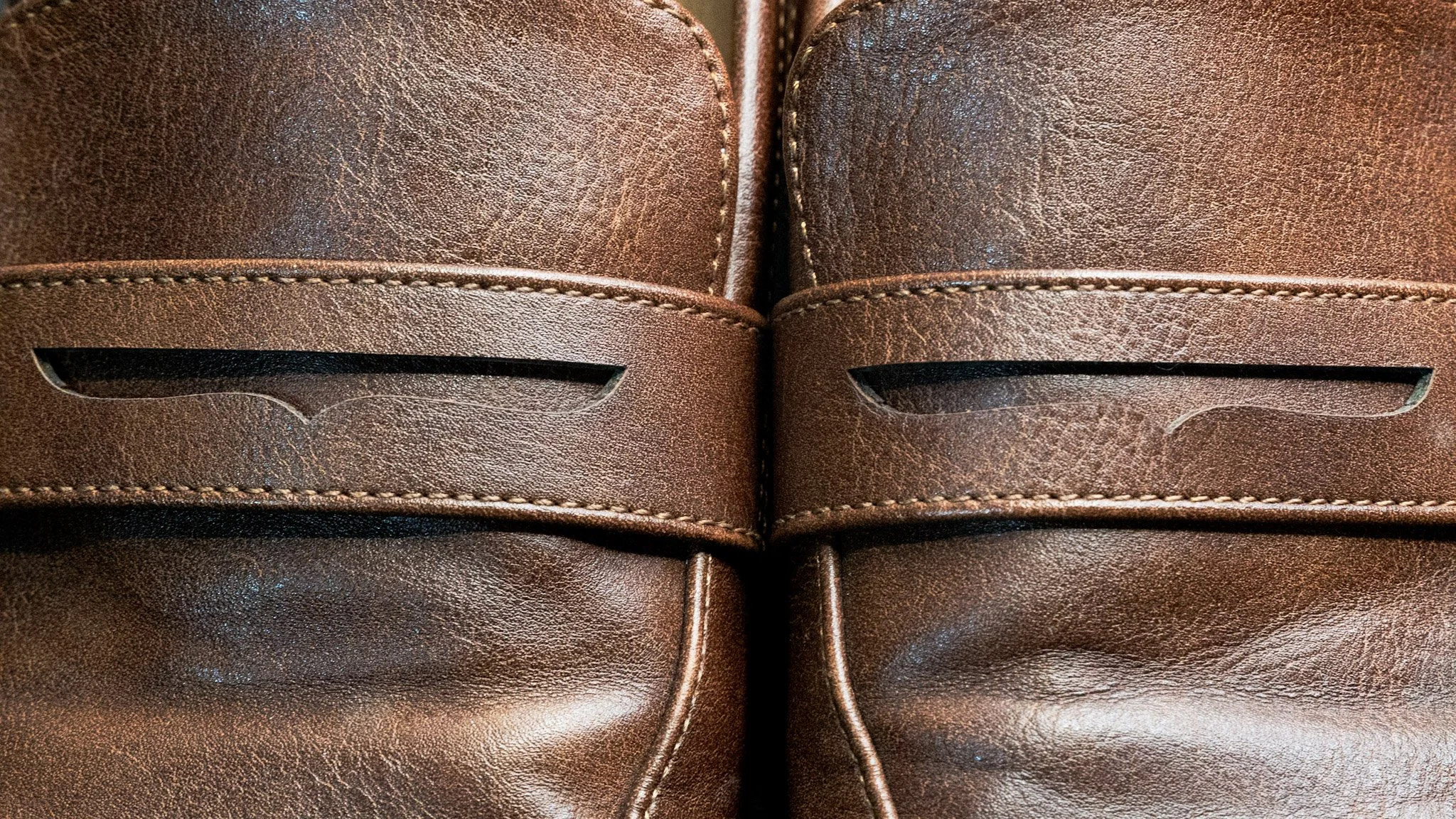
There are clothes we keep without thinking.
The leather jacket we have broken in and softened in the right places or the tailored suit that fits perfectly. Reviving the wool coat that you got at a thrift shop, but feels like the most personal item you own.
They are things that hold value regardless of expense because we develop a relationship with our clothes; and how long that relationship lasts may have a bigger impact on the future of sustainability within the fashion industry than we think.
Fashion has been under scrutiny to become more sustainable for nearly half a century, while needing the solution to ensure consumption. It’s a cycle that asks us to buy better, but buy something, all the time. For the past 25 years clothing production was doubling while the length of time pieces are being worn is dropping significantly, meaning we are buying more clothing and we are keeping it for less time.
As consumers, we could be asking what makes something worth keeping?
The clothes we wear on repeat, are the ones that fit well, and the ones that fit us, are worth maintaining. When it comes to care and fit, tailoring and alterations deepens the relationship.
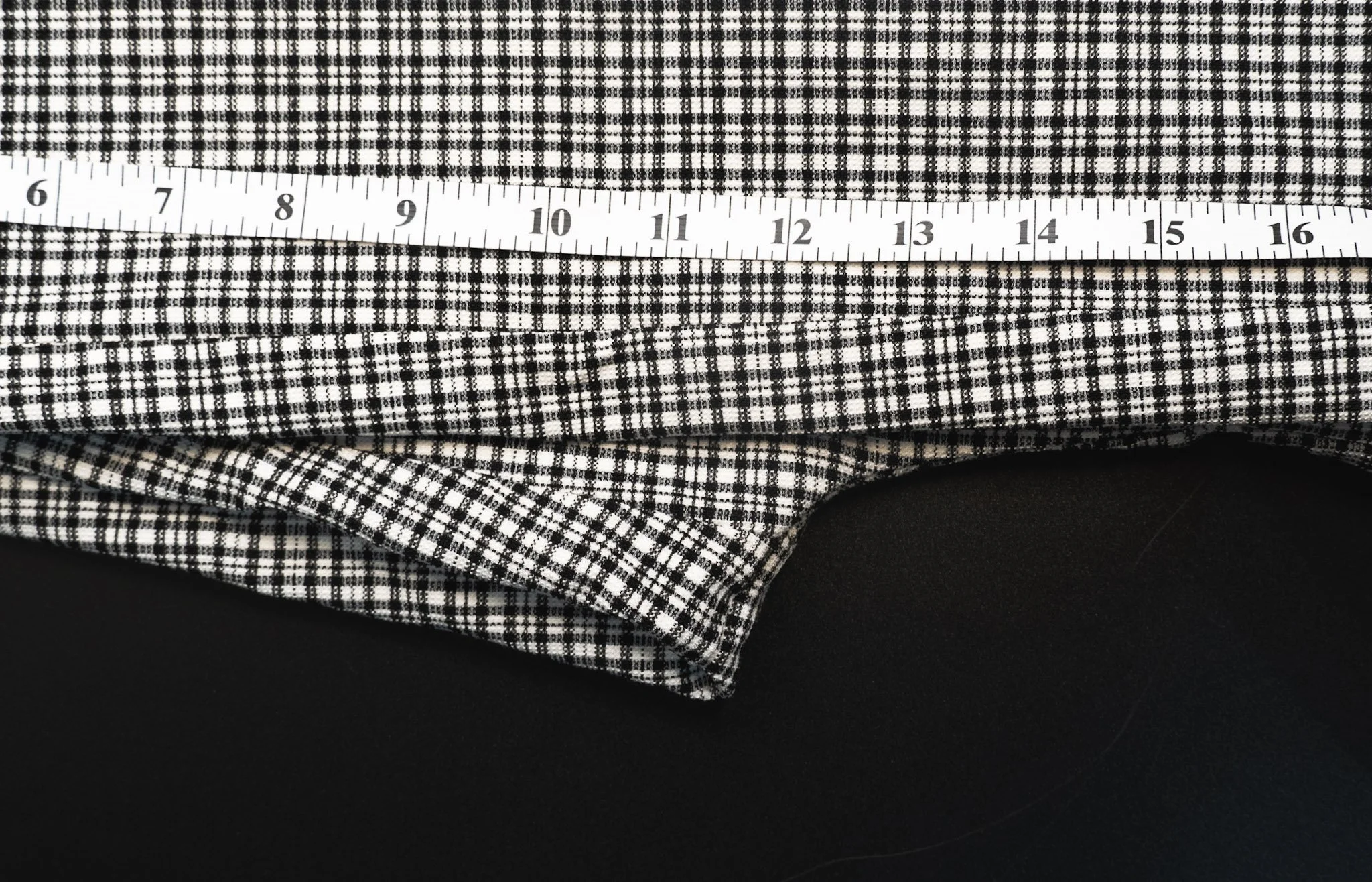
There is an overlooked dynamic between fit and longevity: we wear clothes that make us feel good.
Clothing is one of the few things we use constantly without the expectation of maintenance and repair. Making the clothes fit you instead of the other way around makes tailoring part of responsible clothing ownership and creates room for intentional style. We keep things longer when we love them.
We have flocked towards fast fashion for throw away basics, investing more on things we never mean to keep. Repairing a loose button or resoling a leather shoe becomes less appealing in todays world where inexpensive replacements are readily available. Seams split or a white shirt gets stained. For most of clothings history these things were repaired and cleaned carefully because they needed to be.
Why spend money repairing a shirt when another one costs almost the same?
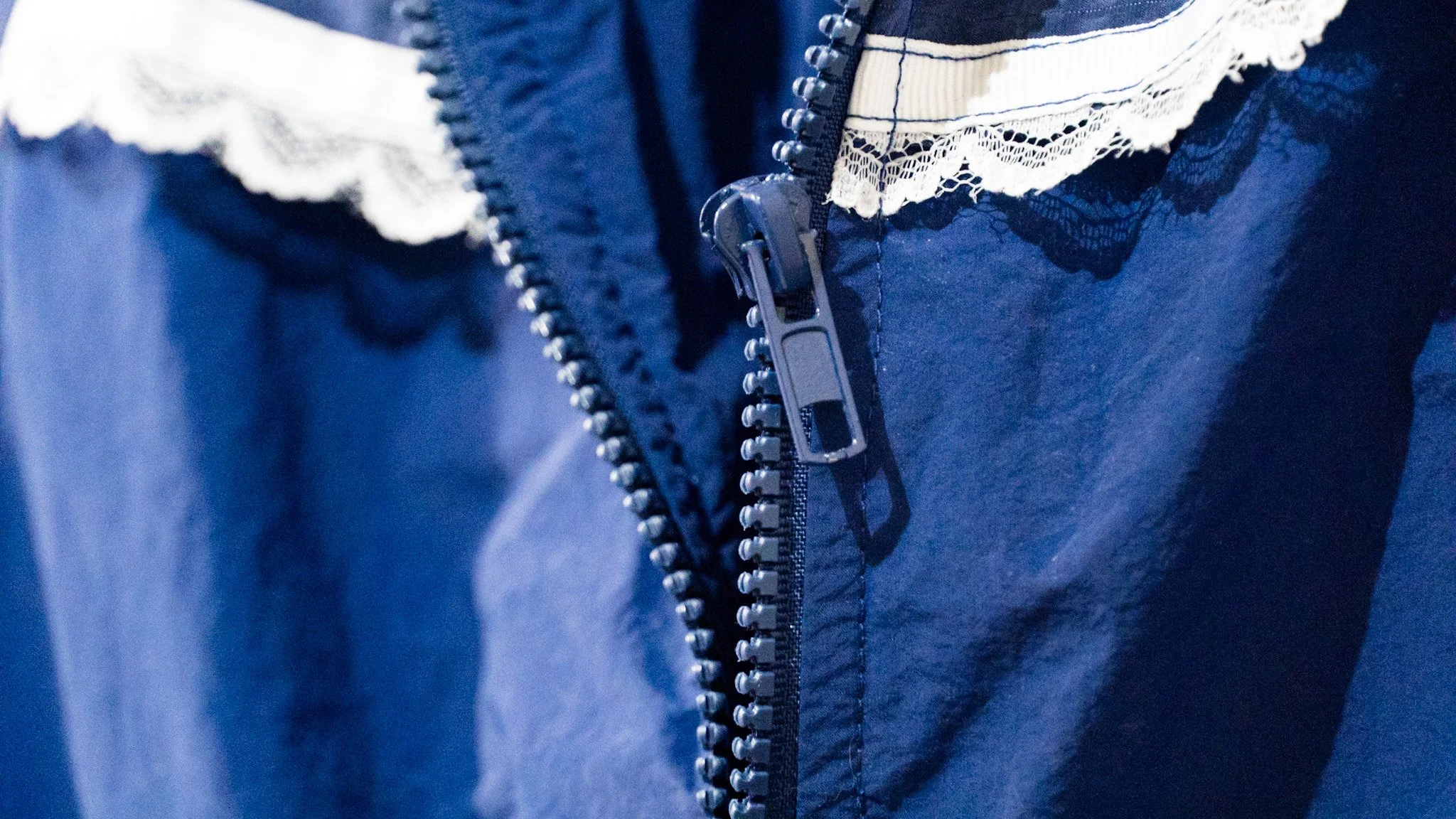
Fast fashion has given us an endless supply and inherently changed which clothing feels worth saving.
Is it worth it? To learn what the care label means, to spot clean stains, steam trousers, and condition leather. Learning to recognize construction gives us another way to judge value. Expensive doesn’t always mean well made.
Look at the seams, feel the fabric, and ask what the material will look like in ten years, beyond what it looks like hanging in the shop. Good clothing needs to survive being lived in without remaining pristine.
Quality could be something brand new and beautifully made or something you find in the thrift bin that has lasted thirty years of wear. Sustainable fashion has developed its own lane and coined the language around it.
We know what conscious collections and eco-edits are. Better basics and manufacturing practices matter enormously to the overall impact the industry has.
When we do buy something new we can choose from better materials, better practices, but we can also ask more it. Does it fit well enough or can it be altered? Will it age well? Can it be repaired? Asking yourself if it works with pieces you already own or if you would keep it if it wasn’t on trend?
All of these questions help us to buy clothes like we intend to keep them.
There will always be another micro trend, another essential, and another version of yourself available for purchase. Personal style gives us something more reliable to return to. The colors you repeatedly reach for and the shape of your favorite pants, the jewelry that you never take off, the coat you wear every winter.
Trends require dissatisfaction. Personal style requires trusting yourself.
The more you understand your own taste, the easier it is to recognize the difference between I love this and I’ve been seeing this everywhere.
None of this is to turn shopping into an individual moral test. Consumers didn’t create an industry built around massive production, falling prices, and disposable clothing. Meaningful change also requires better design, manufacturing, labor practices, materials, regulation and accountability from the companies making our clothes.
Once we own a garment we can change the relationship we have with it.
Wear it.
Alter it.
Clean it properly.
Repair it.
Restyle it.
A slower wardrobe can begin with paying attention to what we already have. Loved. Altered. Repaired.
Worn Well.